Introduction
In today's fast-paced manufacturing and industrial environments, reliability, scalability, and seamless integration are non-negotiable. This is where the
Rockwell PLC Module comes into play. As a core component of the Allen-Bradley programmable logic controller (PLC) systems under Rockwell Automation, these modules serve as the building blocks for efficient control architectures across industries—from automotive assembly lines to food and beverage processing plants.
This article explores what a Rockwell PLC Module is, its key types, benefits, and why it remains a preferred choice for automation engineers worldwide.
What Is a Rockwell PLC Module?
A Rockwell PLC Module refers to any of the various hardware units that make up a Rockwell Automation PLC system. These modules are designed to perform specific functions within a control system, such as processing logic, monitoring inputs, driving outputs, or communicating with other devices.
Each module slots into a chassis (in modular systems like ControlLogix or FlexLogix), forming a cohesive control system managed by the Rockwell Studio 5000 software environment.
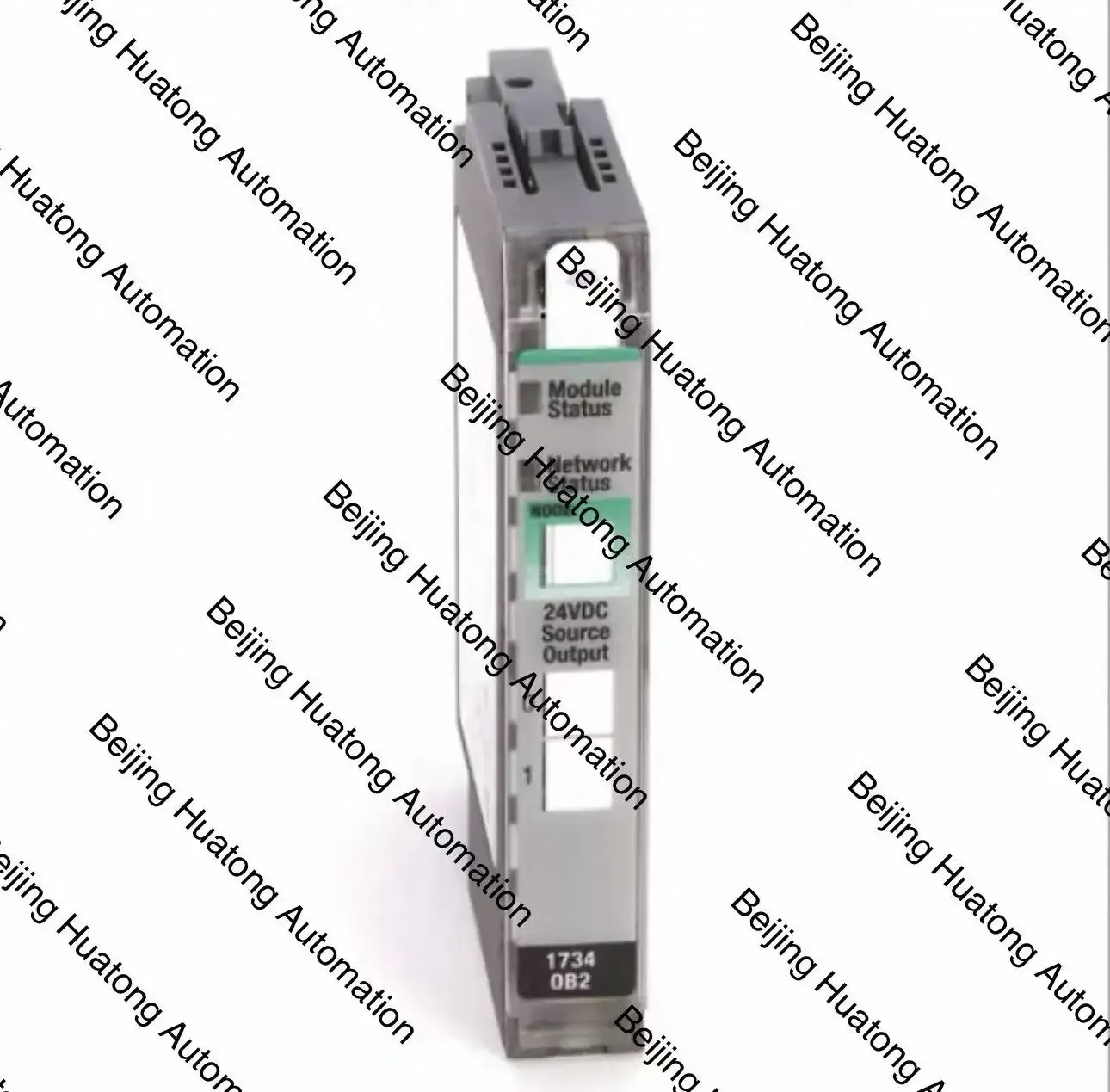
Key Types of Rockwell PLC Modules
Understanding the different types of Rockwell PLC Modules helps in selecting the right configuration for your application:
CPU Modules (Controllers)
Examples: 1756-L8x (ControlLogix), 1769-L3x (CompactLogix)
Function: Executes control logic, manages data, and coordinates communication between other modules.
Digital I/O Modules
Examples: 1756-IB16 (Input), 1756-OB32 (Output)
Function: Interfaces with discrete field devices like push buttons, sensors, and relays.
Analog I/O Modules
Examples: 1756-IF16, 1756-OF8
Function: Handles continuous signals such as temperature, pressure, or flow rate from analog sensors.
Communication Modules
Examples: 1756-EN2T (EtherNet/IP), 1756-DHRIO (DH+, RIO)
Function: Enables connectivity with HMI, SCADA, drives, and remote I/O racks.
Specialty Modules
Examples: Motion control modules, safety modules, high-speed counter modules
Function: Tailored for niche applications requiring precise motion control or compliance with safety standards (e.g., SIL2/PLd).
Benefits of Using Rockwell PLC Modules
Scalability & Flexibility
Whether you're designing a small machine or a large production line, Rockwell PLC Modules allow you to scale your system by simply adding or swapping modules.
Seamless Integration
Thanks to Rockwell’s unified ecosystem, all modules integrate tightly with Studio 5000, FactoryTalk, and other Rockwell solutions, reducing engineering time and errors.
High Reliability
Built for harsh industrial environments, these modules offer excellent resistance to vibration, temperature extremes, and electrical noise.
Global Support & Standardization
With widespread adoption globally, finding spare parts, technical support, or trained personnel familiar with Rockwell PLC Modules is rarely an issue.
Common Applications
Automotive manufacturing (robot control, conveyor systems)
Packaging machinery (case packers, fillers)
Water treatment facilities (pump control, valve actuation)
Energy management systems (load shedding, generator control)
Conclusion
The Rockwell PLC Module represents more than just a piece of hardware—it embodies a robust, standardized approach to industrial automation. Its modular design, combined with powerful software tools, makes it a go-to solution for businesses aiming to improve productivity, reduce downtime, and future-proof their operations.
Whether you're upgrading an aging control panel or designing a new automated system from scratch, investing in Rockwell PLC Modules ensures you’re building on a proven platform trusted by industries around the globe.

 Home
Home Article
 English
 Русский язык